


Sun Damage
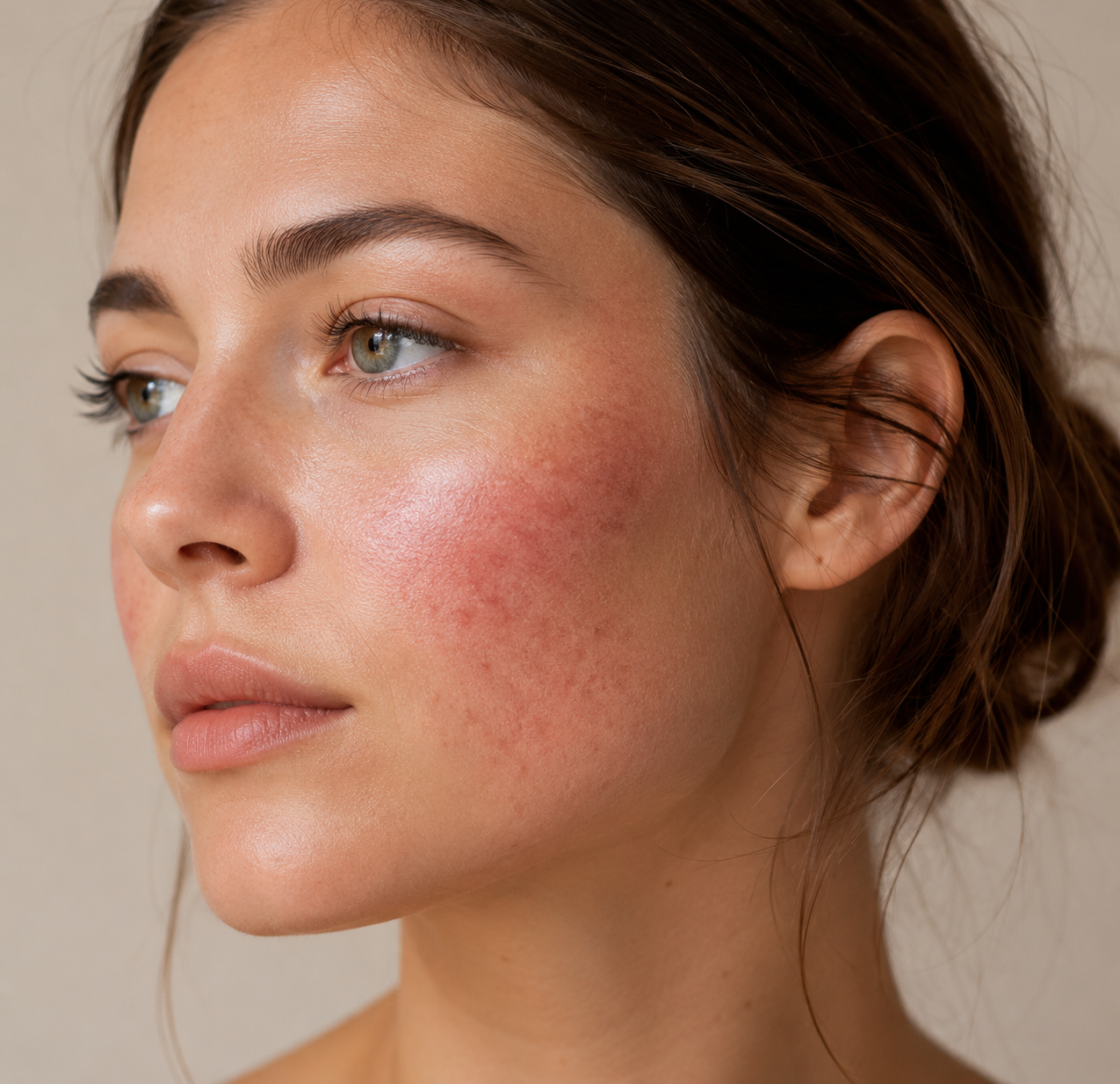
Persistent redness and visible blood vessels from sun damage can feel difficult to control, but understanding how UV rays alter your vascular network is the first step.
Persistent redness and visible blood vessels from sun damage can feel difficult to control, but understanding how UV rays alter your vascular network is the first step.
If you think your sun damage is just a few innocent brown spots, look closer at the redness. Cumulative UV exposure actually weakens the tiny scaffolding supporting your blood vessels, causing them to permanently stretch, flush, and snap. Our advanced vascular therapies target these broken capillaries at the root, instantly calming chronic inflammation and restoring the even tone you thought you'd lost.
Recommended Technologies: BBL, MOXI, Lumecca, Sylfirm X
Sun damage is not limited to brown spots. Prolonged exposure to ultraviolet (UV) radiation structurally degrades the skin's dermal layer. Cumulative UV exposure breaks down collagen and elastin, which support the walls of your blood vessels. Without this support, vessels dilate, leading to:
This vascular instability compromises your skin barrier, leading to a complexion that feels constantly inflamed or reactive.
Select the description that best matches your skin to see how clinical technology addresses it:
To safely treat sun damage, we must match the correct wavelength of light or energy to the specific target in your skin (either melanin for pigment, or hemoglobin for redness).
| Skin Concern | The Clinical Target | Effective Modalities |
|---|---|---|
| Diffuse Redness & Flushing | Hemoglobin (Blood in the vessels) | We use broadband light treatments to gently heat and collapse dilated vessels without damaging surrounding tissue. |
| Broken Capillaries | Specific, isolated blood vessels | Intense targeted IPL therapies like Lumecca provide the peak power needed to clear stubborn spider veins. |
| Textural Damage & Thinning Skin | Degraded Collagen & Elastin | Rebuilding the dermal matrix via radiofrequency microneedling strengthens the skin, making underlying redness less visible. |
Treating sun damage is highly successful, but maintaining those results requires strict lifestyle adjustments. The Canadian Dermatology Association emphasizes that up to 90% of visible skin aging is caused by the sun.

At Deco De Mode, we focus on factual, science-backed treatments to repair cellular damage. Because sun damage manifests in many ways, a customized approach is necessary.
For patients with combination concerns (such as uneven pigment and early signs of aging), a gentle fractionated laser can be paired with our vascular therapies for a complete renewal protocol. Rather than guessing which technology will work for your skin, we rely on thorough diagnostics.
Book a Professional Skin AssessmentWhile you cannot completely erase cellular DNA damage from the sun, clinical treatments can drastically reverse the visible signs. Modalities like BBL and fractionated lasers effectively remove damaged, pigmented cells and stimulate new collagen, restoring a healthier, more youthful appearance.
Sun spots (solar lentigines) are isolated spots caused directly by UV exposure and are generally easier to lift. Melasma is a complex, often symmetrical pigmentation triggered by a combination of hormones, heat, and UV light, requiring a much more cautious, low-heat treatment approach to avoid making it worse.
This is a normal and highly desired clinical reaction known as "micro-crusting." The light energy pulls damaged melanin to the surface of the skin, causing it to look like coffee grounds. This darkened pigment naturally sloughs off over the next 5 to 7 days, revealing clearer skin beneath.
It is never too late. While starting early is ideal for prevention, clinical resurfacing and vascular therapies are incredibly effective at lifting decades of accumulated pigment and rebuilding thinned dermal tissue on mature skin.
Absolutely. The neck, décolletage (chest), and backs of the hands are among the most common areas to show premature aging because they are frequently exposed to the sun but often forgotten during daily SPF application. We regularly treat these off-face areas with great success.
Yes. To achieve the actual SPF rating listed on a makeup bottle, you would need to apply a very thick, unnatural layer of foundation (about a nickel-sized amount). Makeup SPF is a great secondary layer, but it should always go over a dedicated broad-spectrum sunscreen.
Broken capillaries on the face are generally harmless and primarily a cosmetic concern. However, severe and persistent sun damage can lead to precancerous changes (like actinic keratoses), so we always recommend having a physician evaluate any rapidly changing or textured lesions.
