


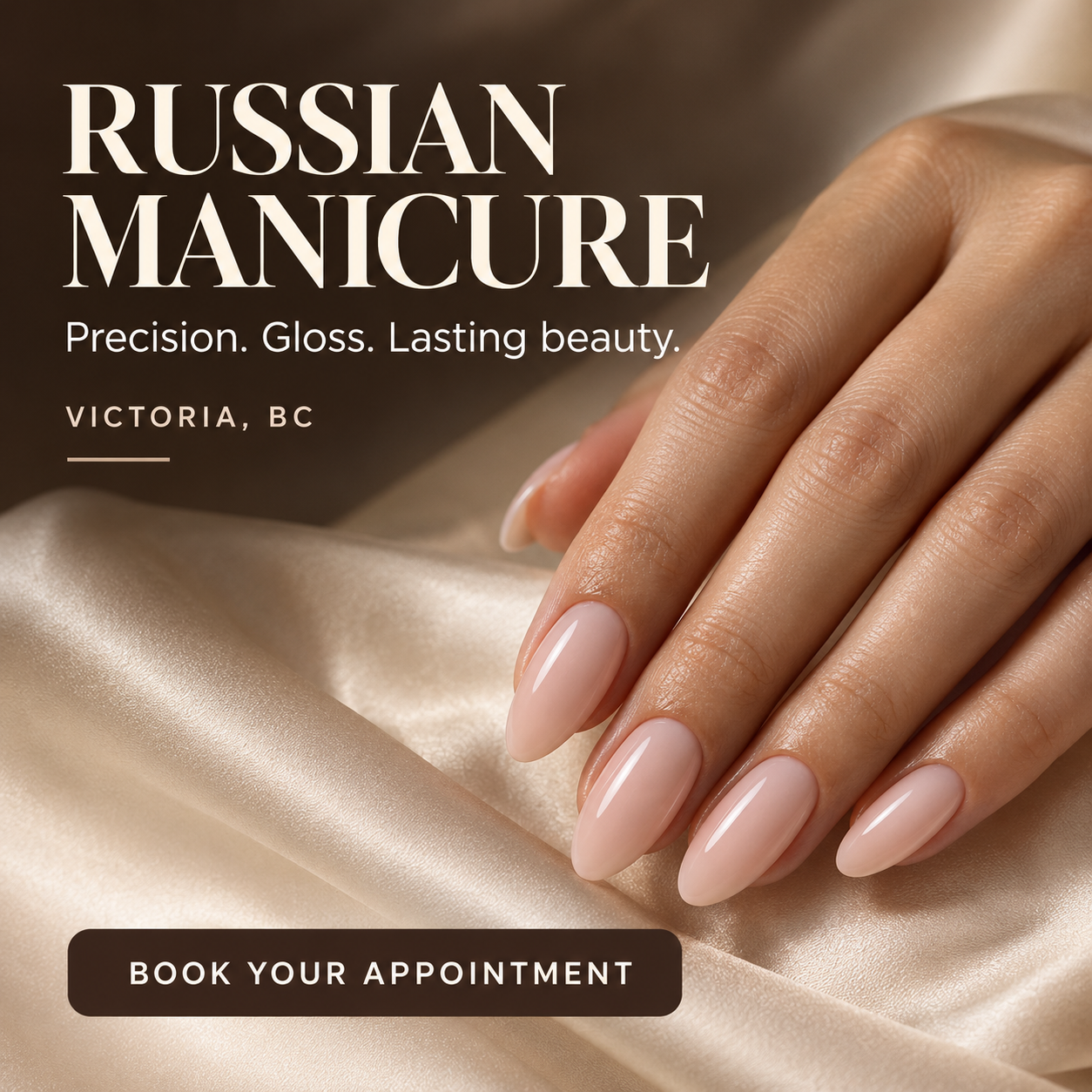
Russian Manicure vs. Traditional Gel Manicure: What’s the Difference?
The main difference is the nail preparation, not necessarily the polish. A Russian manicure is a dry, detailed technique that uses an e-file around the cuticle area. A traditional gel manicure usually means gel polish applied to the natural nail and cured under a lamp, with the amount of cuticle work depending on the technician.
These terms are not exact opposites: a Russian manicure can also use gel polish. The real question is how the skin around the nail is treated, how the product is applied and removed, and whether the finish you want is worth the trade-offs for your nails.
The practical takeaway: Russian manicures can create a very crisp cuticle line, but that look does not require removing living cuticle tissue. Because the cuticle helps protect the nail area from infection, choose careful, conservative preparation over an ultra-close finish at any cost.
Russian Manicure vs. Traditional Gel Manicure at a Glance
In the table below, “traditional gel manicure” means gel polish on natural nails, not hard-gel extensions or a builder-gel overlay. Salons sometimes use these names differently, so it is worth asking what the appointment actually includes.
| What to compare | Russian manicure | Traditional gel manicure |
|---|---|---|
| What defines it? | A dry-prep technique with detailed work around the nail folds, commonly using an electric file. | Gel polish applied to the nail and cured under a UV/LED lamp. Cuticle preparation varies by salon. |
| Cuticle area | Often focuses on removing visible cuticle tissue and creating a very neat pocket or edge. The exact approach varies. | May involve gentle cuticle care and cleaning the nail plate, without needing to remove the protective cuticle. |
| Typical finish | A very precise, close-to-the-cuticle look with a clean outline. | A smooth, glossy or coloured finish; the polish line may sit slightly farther from the skin. |
| How long it looks fresh | The close polish line may make early regrowth less noticeable. It does not change nail growth or guarantee longer wear. | Gel can stay glossy for an extended period, but lifting, chips and regrowth depend on the product, application and your daily routine. |
| Appointment | Often detail-intensive and may take longer. Timing depends on the technician and design. | Timing depends on the condition of your nails, colour, removal needs and whether nail art is included. |
| Main consideration | Aggressive e-file work or cuticle removal can damage the skin barrier and raise the risk of inflammation or infection. | Gel removal, over-filing, product allergies and repeated manicures can also contribute to nail or skin problems. |
| Best starting point for | Someone who values a very defined cuticle line and has discussed the preparation method and its risks with the technician. | Someone who wants long-wearing gel colour but prefers a more conservative approach to the cuticle area. |
These are general descriptions, not guarantees. A traditional gel manicure can still involve an e-file, and a Russian manicure does not describe one identical method at every salon.
What Is a Russian Manicure?
A Russian manicure is commonly performed dry, without soaking the fingertips first. The technician uses specialised e-file bits and other manicure tools to clean and shape the nail area with a high level of detail. The aim is a tidy outline around the nail and a colour application that sits very close to the base of the nail.
Why people like the result
- A very neat outline: The cuticle area can look exceptionally clean and defined.
- A close colour application: Gel may be placed nearer to the base of the nail, which can make the first signs of regrowth less obvious.
- A tailored finish: The method can suit people who pay close attention to the shape, symmetry and detail of their manicure.
What the name does not guarantee
“Russian manicure” is not a standardised promise about how much tissue will be removed, how long the appointment will take or how many weeks the result will last. One technician may focus on carefully removing non-living tissue from the nail plate; another may remove too much skin around the nail. Ask what the service involves instead of relying on the name alone.
It is also worth separating the technique from the finish. The detailed prep is one part of the service; gel polish, builder gel, extensions and nail art are product or design choices that may be added separately.
What Is a Traditional Gel Manicure?
A traditional gel manicure usually means applying a gel base coat, colour and top coat to the natural nail, curing the layers under the lamp specified for that gel system. The result is typically a glossy finish that resists everyday smudging better than regular air-dried polish.
The preparation is not identical everywhere. A careful technician may shape the nail, clean the nail plate, gently manage loose non-living tissue and apply gel without flooding the surrounding skin. Some salons use e-files for parts of their standard manicure, so “traditional” does not automatically mean “no electric file.”
Why a conventional gel manicure may be enough
- You want a glossy, long-wearing colour without making cuticle removal the focus of the appointment.
- You prefer a simpler approach to nail preparation.
- You want to choose between a sheer natural colour, a French manicure, a deeper shade or nail art while keeping the prep conservative.
Choosing a traditional gel manicure does not mean settling for untidy work. Nail shaping, even application and a clean polish line still require skill. A precise finish can be achieved without cutting or aggressively removing the skin that protects the nail area.
Which Lasts Longer? Wear, Regrowth and Removal
This is where marketing claims can be misleading. A Russian manicure may look freshly done for longer because the colour starts closer to the nail base. That is a visual advantage, not proof that the gel itself adheres better, that the nail grows more slowly or that the manicure will always last longer.
What actually affects how long gel lasts?
- Preparation and application: Product should be applied correctly and kept off the surrounding skin. Flooding the skin with gel can increase irritation and allergy concerns.
- Your natural nails: Nail flexibility, peeling, existing damage and the way your nails grow all affect the result.
- Daily activities: Frequent water exposure, cleaning products, typing, lifting and other repeated friction can affect wear.
- Product and removal: Gel systems differ. The right removal process matters just as much as the application.
Removal matters as much as the manicure
Do not peel, bite or pry gel off, even if it has started lifting. Pulling at the coating can remove layers of the natural nail with it. Ask whether the product is a soak-off gel or a harder product that needs a different removal approach, and have it removed appropriately by a trained professional.
If your nails feel thin, sore or unusually rough after repeated gel services, take a break from gel and avoid buffing them further to make the next set stick. The American Academy of Dermatology’s guidance on gel manicures explains ways to reduce damage during wear and removal.
Nail Health: The Difference You Should Not Ignore
The main safety question is how the skin around the nail is handled. The cuticle and surrounding nail fold help form a protective barrier. Cutting or removing that barrier can give bacteria or fungi an easier route into the skin and may lead to inflammation or infection around the nail.
The American Academy of Dermatology specifically cautions about Russian manicures because the technique can involve using an e-file to remove the cuticle. A published dermatology case report also describes a nail-fold infection and nail-growth disruption after an aggressive Russian manicure. A case report cannot tell us how often complications happen, but it reinforces why cuticle removal should not be treated as risk-free.
That does not mean every person who has a Russian manicure will develop a problem. The level of risk depends on the technique and the amount of tissue trauma, among other factors. However, careful tool hygiene cannot remove the risk created by cutting or damaging the skin itself. For most clients, keeping the protective tissue intact is the more cautious choice.
For further reading, see the American Academy of Dermatology’s comments on Russian manicure trends, its general manicure safety advice, and the Canadian Dermatology Association’s nail health information.
Gel products can cause problems, too
Gel manicures are not risk-free simply because the cuticles are left alone. Gel and nail products can contain acrylates that trigger allergic contact dermatitis in some people, and over-filing or forceful removal can damage the nail plate. Product should not be left on the skin or cured against the skin. If you have had a rash, itching, swelling or another reaction after a nail service, stop using the suspected product and ask a healthcare professional for advice before trying another gel system.
What about the curing lamp?
Both a traditional gel manicure and a Russian manicure finished with gel may use a UV/LED curing lamp. LED nail lamps can still emit UV radiation; the label “LED” does not mean there is no UV exposure. The American Academy of Dermatology recommends applying a broad-spectrum, water-resistant SPF 30+ sunscreen to the hands before a gel manicure or wearing dark, opaque fingerless gloves that cover the skin while leaving the nails exposed.
Pause a nail appointment if the surrounding skin is already sore, cracked, swollen or inflamed. Do not use gel or extensions to cover a nail that may be infected. If you notice worsening redness, pain, swelling, discharge or nail separation after a service, seek advice from a healthcare professional rather than booking another manicure to cover it.
Which Manicure Is Right for You?
Decide based on the finish you want and the condition of your nails, not just what is trending. These are useful starting points:
- You want an ultra-defined cuticle line: Ask what the Russian manicure includes, which tools are used and how the technician protects the surrounding skin. A crisp line should not require removing living tissue.
- You want glossy colour with less emphasis on cuticle work: A traditional gel manicure with careful, conservative preparation may be a better fit.
- Your nails peel, split or feel thin: Consider taking a break from gel and ask a nail professional or healthcare provider what is appropriate for your situation. Repeated buffing or forceful removal can make damage worse.
- You have recurring skin irritation or a suspected product allergy: Do not assume a different manicure technique will solve it. Consider avoiding gel products until you have received appropriate medical advice.
- You mainly want low-maintenance colour: Remember that every manicure grows out. Choose a finish and schedule that work with your routine rather than chasing the longest possible gap between appointments.
Find Your Best Starting Point
Answer these quick questions for a practical suggestion. This selector is a general guide, not a diagnosis, and your answers are not sent anywhere.
Choosing a Nail Salon in Victoria or Sidney, BC
Whether you are booking in Victoria or Sidney, look beyond the manicure name and ask how the service is performed. A few useful questions can tell you much more than a social-media photo:
- “How do you handle the cuticle?” Listen for a clear explanation. Be cautious if complete cuticle removal is presented as essential to every good manicure.
- “How are reusable tools cleaned and sterilised?” The salon should be able to explain its procedures. Single-use items should not be reused between clients.
- “What gel product will you use, and how will it be removed?” It is reasonable to ask whether it is soak-off gel or a harder product, and whether the matching lamp is used.
- “What would you recommend if my nails are peeling or my skin is sensitive?” A good professional should be comfortable discussing alternatives or recommending that you postpone a service when the nail area is not healthy.
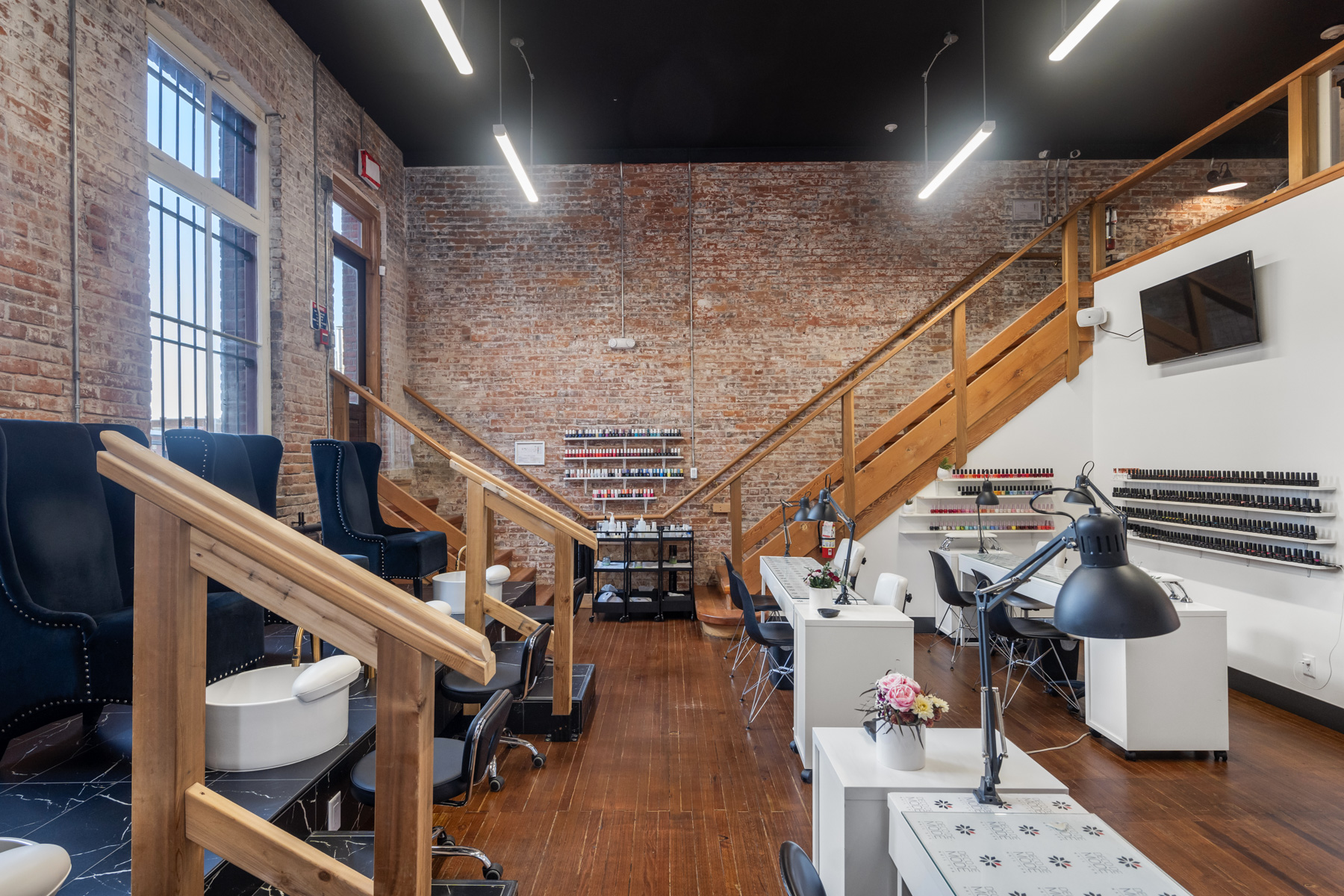
For more help choosing a service, read our guide to the differences between gel nail extension options and our advice on what to look for when choosing a nail salon.
You can also explore nail services at Deco De Mode in Victoria or find details for our Sidney location. Ask the team which preparation and polish options are available before booking, especially if you have a preferred technique.
See the Manicure Technique
The short video below gives you a closer visual reference for the manicure style discussed in this guide. Keep in mind that the exact prep method can vary from one technician to another, even when the same service name is used.
Frequently Asked Questions
Is a Russian manicure better than a traditional gel manicure?
Not automatically. A Russian manicure can provide a very precise cuticle line, while a traditional gel manicure can provide glossy, long-wearing colour with conservative cuticle care. The better choice depends on your priorities, the technique used and the condition of your nails and surrounding skin.
Does a Russian manicure make gel polish last longer?
It may make early regrowth less noticeable because colour can be placed closer to the nail base. That does not guarantee longer wear or better adhesion. Product choice, preparation, application, nail condition and removal all affect the result.
Is a Russian manicure safe?
The main concern is aggressive cuticle removal or damage to the surrounding skin. The cuticle helps protect the nail area from infection, and dermatologists warn that removing it can increase risk. Ask exactly what the service involves and avoid any technique that cuts or damages living skin.
Can I get gel polish without having my cuticles cut?
Yes. Gel polish does not require complete cuticle removal. Tell the technician you prefer conservative cuticle care and ask them to keep product off your skin.
Is a Russian manicure the same as builder gel or nail extensions?
No. Russian manicure describes a preparation technique, while builder gel and extensions refer to products or ways of adding structure or length. A Russian-style prep may be paired with different nail products, but the terms describe different parts of the service.
What if my nails are already thin, peeling or sore?
Consider postponing gel or extension services and avoid peeling or aggressively buffing the nail surface. If the surrounding skin is inflamed, painful or repeatedly irritated, ask a healthcare professional for advice before having another service.
Do gel nail lamps use UV light?
Gel systems use a curing lamp that emits UV radiation, including many lamps marketed as LED. The American Academy of Dermatology recommends protecting the skin on your hands with broad-spectrum, water-resistant SPF 30+ sunscreen or dark, opaque fingerless gloves before a gel manicure.
Choose the Manicure That Makes Sense for You
A beautiful manicure is not just about how close the polish sits to the cuticle. Look for clean, precise application, careful removal, transparent answers about tools and products, and a technician who respects the protective skin around your nails. If you are comparing options in Greater Victoria, start by asking what preparation method is included and choose the finish that suits both your style and nail health.


